

Reducing diesel emissions
Diesel exhaust is the most harmful air pollutant in Washington. It contributes more than 70 percent of the total cancer risk from toxic air pollution. Diesel exhaust causes or contributes to asthma, heart and lung diseases, and cancer.
To reduce diesel emissions, we provide grant funding to help fleet managers replace old engines, install exhaust retrofit equipment, reduce idling, and use cleaner fuels.


Washington's largest sources of diesel exhaust
Nearly five million people live or work close to a highway or other major road where they are exposed to high levels of diesel exhaust.
Washington's largest sources of diesel exhaust are:
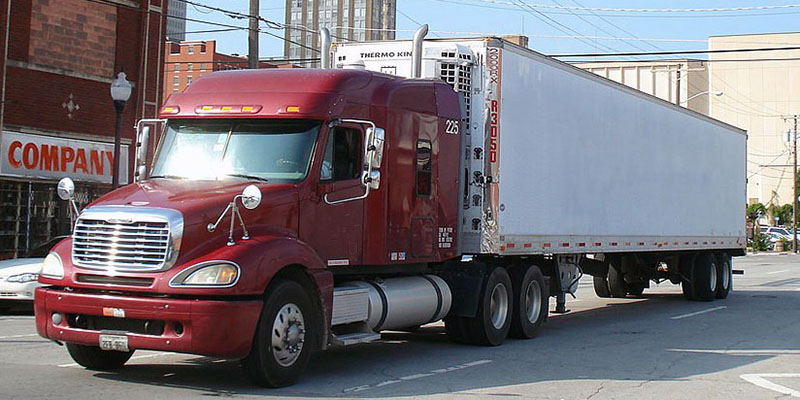
- Heavy duty trucks
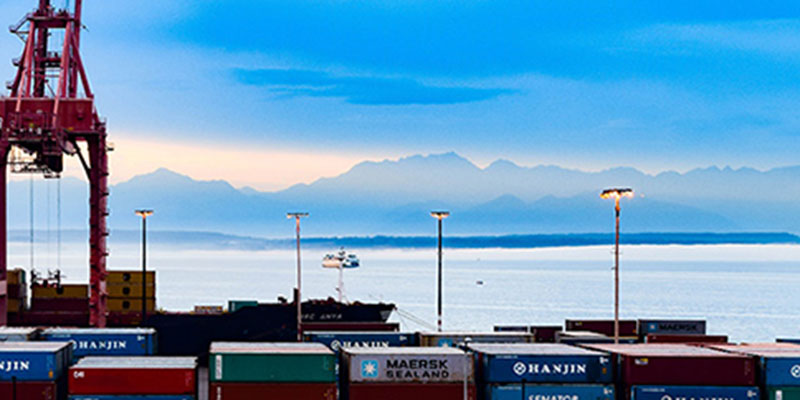
- Ships
- Construction equipment
- Locomotives
- Farm equipment
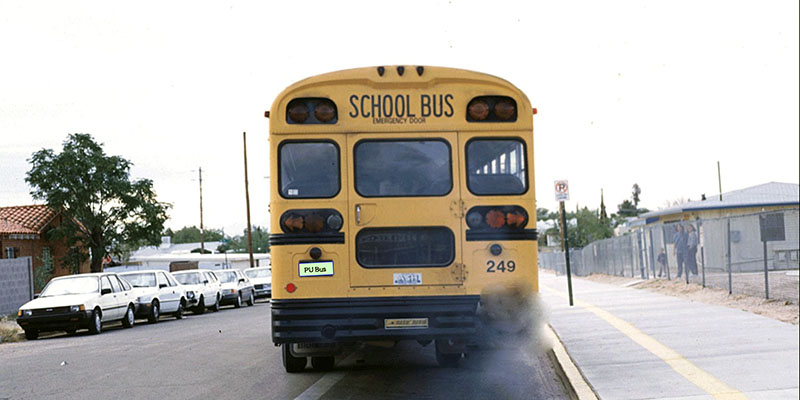
- Buses
How we are reducing diesel emissions
There are many options available to fleet managers to reduce their diesel emissions.

Related links
Contact information
Ron Stuart
Diesel Program Specialist
ron.stuart@ecy.wa.gov
360-522-3453