Protecting Hanford's natural resources
As cleanup at Hanford continues, we're able to focus on future uses of the site. This includes protecting Hanford's ecological and cultural heritage, and restoring habitat for many rare plants and animals that live there.
When releases of contaminants are suspected to have led to injury to, destruction of, loss of, or threat to natural resources at Hanford, federal law allows government officials to enter into a process called the Natural Resource Damage Assessment (NRDA).
The current Hanford site covers 580 square miles of land bordered on the north and east by the Columbia River.
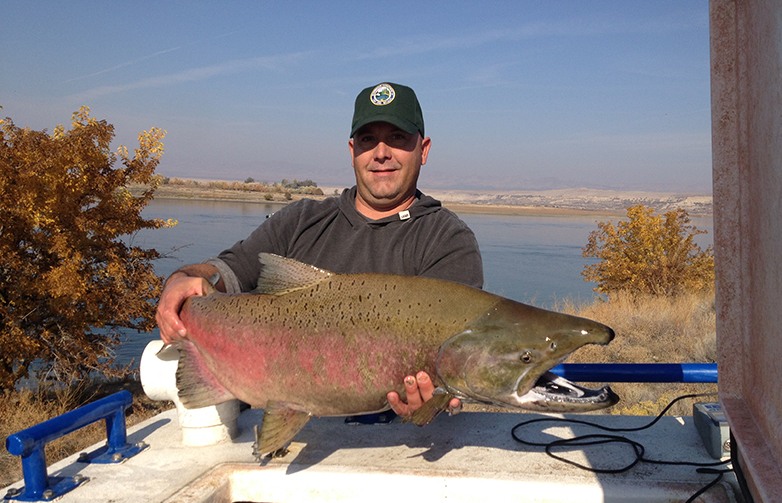
The Hanford site features:
- A large contiguous shrub-steppe ecosystem
- The largest Chinook salmon spawning area
- The longest free-flowing stretch of the Columbia River above Bonneville Dam
- Sites with unique and irreplaceable historic, tribal, cultural, and scientific heritage
Hanford is considered a critical reservoir of biodiversity
Since most of the area around the Hanford site has been converted to farms, Hanford is important to many unique plants and animals of the Columbia Basin. There are 28 rare plants in the area listed as endangered or threatened, 15 species of small mammals, 38 species of birds at risk of being endangered, and over 1,500 species of insects. Several of the insects found near the Hanford site are not found anywhere else in the world.
Fact: Tumbleweed is not native to the Tri-Cities. Learn about native plants.
Restoring natural resources
In addition to maintaining resources that weren't damaged during the production years at Hanford, cleanup activities must consider requirements for restoring habitat. In some cases, cleanup plans call for deliberate habitat restoration. Work may involve intentionally re-seeding or planting native plants to speed the establishment of healthy habitat for wildlife.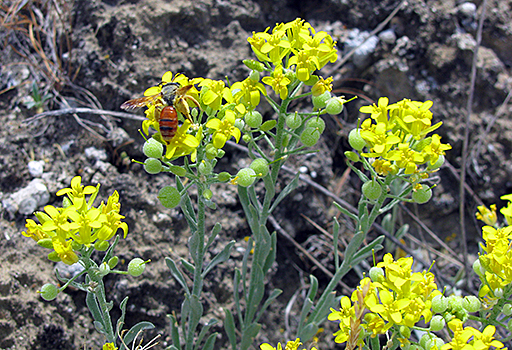
We work with the U.S. Department of Energy and EPA to find the best, most cost-effective methods of cleaning up the environment, and ensure that the cleanup follows the laws under the Superfund law, known officially as the Comprehensive Environmental Response, Compensation and Liability Act (CERCLA). While it is a federal law, Washington State is the lead regulatory agency for certain areas under the Tri-Party Agreement and EPA is the lead regulatory agency for other areas. Examples of restoration may include re-seeding an area with native grasses or planting new sagebrush. The Confederated Tribes of the Umatilla Indian Reservation are actively involved in growing native plants for use in habitat restoration.
We provide regulatory oversight and professional recommendations for cleanup to the Department of Energy. We also act as a communication avenue and information resource for the Department of Energy and the public. We strive to make sure that information is shared in a timely manner and to see that public concerns are regarded.
Our goals for sections of the Hanford site and groundwater found on the site include:
- 100 Area: Complete decisions for final remedies at the end of 2020.
- 300 Area: EPA is the lead regulatory agency for the 300 Area. We support EPA through permitting and closure of dangerous waste facilities. We also support EPA through advice and concurrence on regulatory decisions under CERCLA.
- 200 Area: Developing work plans to fully characterize 1,099 waste sites and to develop a path forward to clean up the waste sites by 2024.
- Groundwater: By 2024, have 10 regulatory decisions to restore groundwater to its highest beneficial use within a reasonable restoration timeframe. Ensure that technologies to restore the groundwater are operational and functional.
Natural Resource Damage Assessment Process
Federal law allows government officials, or Hanford natural resource Trustees, to enter into the Natural Resource Damage Assessment (NRDA) process. The objectives are to restore, replace, or acquire the equivalent of injured natural resources, and to compensate the public for any loss of services that occurs while natural resources are in an injured state.
U.S. Dept. of the Interior regulations establish a framework and set of procedures for the NRDA process. The regulations define three sequential phases:
In the initial phase, trustees conduct a review to determine if a formal damage assessment will likely show that natural resources have been affected by the release of hazardous substances.
During the last phase, the trustees prepare a report documenting all aspects of the assessment process and make a formal claim for damages from those potentially responsible. Upon settlement of the claim or the awarding of damages, this phase concludes by preparing and implementing a restoration plan in order to restore affected natural resources to their baseline condition and compensate the public for the interim loss of services derived from those resources.
Upon completion of draft planning documents, you can participate in the NRDA process. First, Trustees will notify Washington residents 30 days prior to the release of a planning document. Then the documents will be posted on Hanford's NRDA Public Involvement page. Finally, the plans will be available for 30 days for your review and comment.
What is the difference between damage claims and remediation activities?
Progress at Hanford
In June 2009, Hanford Trustees completed Phase I, determining that a full assessment was warranted. Phase II began in 2010, and included development of the Injury Assessment Plan and related products; four expert panels; recommendations for initial studies/resource review reports; preliminary thresholds and tests; and public involvement materials. The Injury Assessment Plan was completed in January 2013 after public review and comment.

Restoring natural resources
In addition to maintaining resources that weren't damaged during the production years at Hanford, cleanup activities must consider requirements for restoring habitat. In some cases, cleanup plans call for deliberate habitat restoration. Work may involve intentionally re-seeding or planting native plants to speed the establishment of healthy habitat for wildlife.Natural Resource Damage Assessment Process
Federal law allows government officials, or Hanford natural resource Trustees, to enter into the Natural Resource Damage Assessment (NRDA) process. The objectives are to restore, replace, or acquire the equivalent of injured natural resources, and to compensate the public for any loss of services that occurs while natural resources are in an injured state.
U.S. Dept. of the Interior regulations establish a framework and set of procedures for the NRDA process. The regulations define three sequential phases: