

Hanford tank waste management
We oversee the safe storage, retrieval, and treatment of the dangerous waste in Hanford's underground tanks. There are 149 single-shell tanks and 28 double-shell tanks at Hanford. These 177 tanks hold the most dangerous radioactive and chemical wastes from decades of plutonium production activities.
Turning nuclear waste into glass
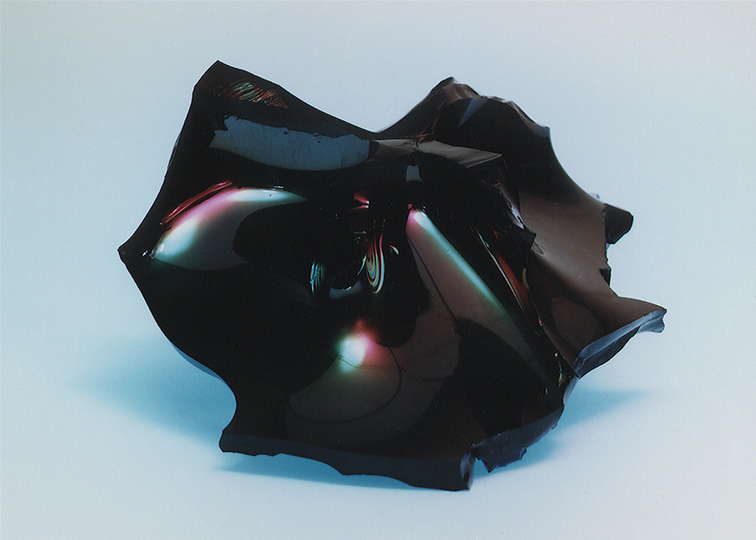
Sample of vitrified material at the U.S. Department of Energy's Office of River Protection.
For the past few decades, the most dangerous radioactive and chemical waste has been and continues to be moved from single-shell tanks to safer double-shell tanks at Hanford. The waste will remain in the double-shell tanks until it can be moved to the Waste Treatment and Immobilization Plant (WTP), which is under construction.
Once it's completed, the WTP will turn the high-level waste into glass, through a process called vitrification, that will then be stored in high-grade stainless steel casks. While it will still be radioactive, the vitrified waste will no longer be able to seep into or pollute the air, water, and soil. Without the retrieval and treatment of the tank waste, any leakage would eventually reach the Columbia River. WTP is critical in helping to clean up Hanford and in reducing the possibility of further threats to the environment and all who live and work near the Columbia River.
Once it's completed, the WTP will turn the high-level waste into glass, through a process called vitrification, that will then be stored in high-grade stainless steel casks. While it will still be radioactive, the vitrified waste will no longer be able to seep into or pollute the air, water, and soil. Without the retrieval and treatment of the tank waste, any leakage would eventually reach the Columbia River. WTP is critical in helping to clean up Hanford and in reducing the possibility of further threats to the environment and all who live and work near the Columbia River.
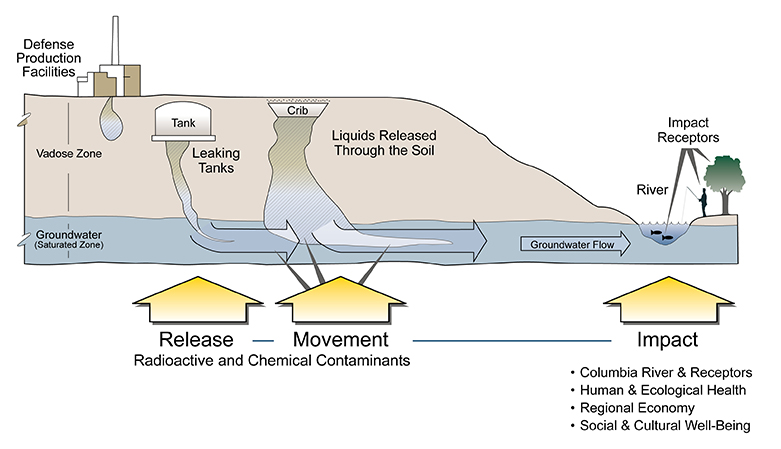
For the past few decades, the most dangerous radioactive and chemical waste has been and continues to be moved from single-shell tanks to safer double-shell tanks at Hanford. The waste will remain in the double-shell tanks until it can be moved to the Waste Treatment and Immobilization Plant (WTP), which is under construction.
Once it's completed, the WTP will turn the high-level waste into glass, through a process called vitrification, that will then be stored in high-grade stainless steel casks. While it will still be radioactive, the vitrified waste will no longer be able to seep into or pollute the air, water, and soil. Without the retrieval and treatment of the tank waste, any leakage would eventually reach the Columbia River. WTP is critical in helping to clean up Hanford and in reducing the possibility of further threats to the environment and all who live and work near the Columbia River.
Once it's completed, the WTP will turn the high-level waste into glass, through a process called vitrification, that will then be stored in high-grade stainless steel casks. While it will still be radioactive, the vitrified waste will no longer be able to seep into or pollute the air, water, and soil. Without the retrieval and treatment of the tank waste, any leakage would eventually reach the Columbia River. WTP is critical in helping to clean up Hanford and in reducing the possibility of further threats to the environment and all who live and work near the Columbia River.