


Floods & floodplain planning

Be aware, be prepared
While Ecology does not respond to floods, we are monitoring flooding conditions across the state and working with local and Tribal government partners as they respond to the current flood emergencies affecting many river basins. Contact your local county government for the most recent flood information for your area.
Climate change and floodplains
Air & Climate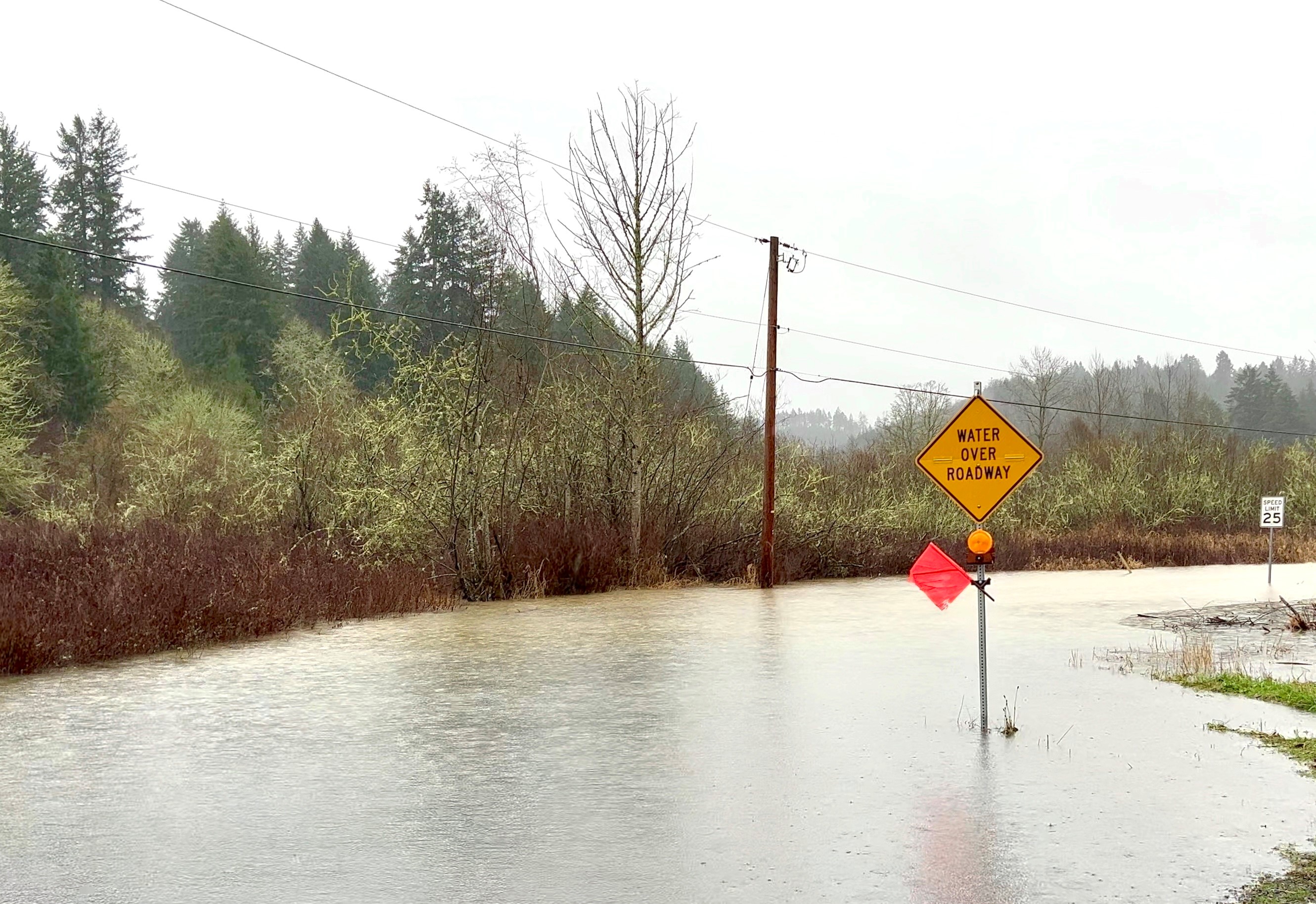
To help local communities across Washington, we provide technical assistance and grants to reduce flood risks; protect lives, homes, and property within floodplains; and improve habitat and the essential environmental functions that floodplains offer.
We work with counties, Tribes, and local governments to provide access to grant funding, establish partnerships with nonprofit organizations, and provide emergency funding for flooding events that affect communities.
Flooding is the state's most costly natural disaster
Cleaning up after a flood costs three times more than preventing flood damage in the first place. We help communities manage their floodplains by offering resources to identify flood hazards, plan a more flood-resilient landscape, and complete projects that reduce flood risk to both life and property.
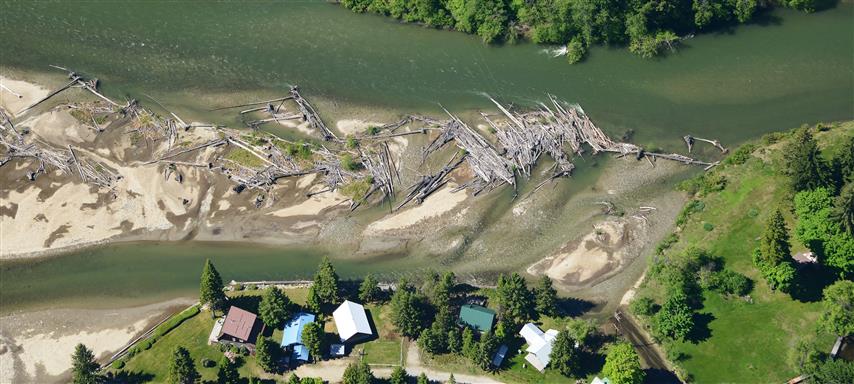
In Washington, the costs of flooding exceed all other natural hazards. There is over an 80% chance that 10 or more flood events will happen in any given year in the state, and the frequency of events will increase as the climate changes. Several types of floods occur across the state's diverse geography. In Western Washington, floods typically result from prolonged winter rains. In Eastern Washington and in the Cascades, spring snowmelt and rain-on-snow events are the primary causes of flooding. Coastal storm surges, overwhelmed storm drains, flash floods, ice jam and debris blockages, and channel migration are also potential sources of damage.
We help communities plan for, mitigate, and recover from flood damage. If you are in a flooding situation, your local government or 911 is your first contact.
Technical assistance and planning
Floodplain Management Program – As the state’s lead agency for flood risk reduction, we assist local governments with the National Flood Insurance Program and Washington floodplain management program. We provide technical assistance and training, planning and regulatory guidance, flood ordinance reviews, and community assistance visits.
Critical Areas Ordinance & Frequently Flooded Areas – Washington cities and counties are required to periodically review and update their Critical Areas Ordinances (CAO). To promote safety from floods, frequently flooded areas are covered by the CAO. For more information, see Guidance for Floodplains: Critical Area Ordinance (CAO).
Office of Chehalis Basin – The Office of Chehalis Basin is carrying out a collaborative effort to reduce flood damage and restore aquatic habitat in the Chehalis River basin.
Floodplain grants
Floodplains by Design is our primary grant program for floodplain projects. This partnership of local governments, state and federal agencies, and private organizations works to coordinate multi-benefit projects that reduce flood hazards and restore natural floodplain functions.
The Flood Control Assistance Account Program is the main source of funds for floodplain management planning. This program also provides funds to local jurisdictions for emergency assistance.
Risk MAP: Flood maps & more
We work in partnership with FEMA to run the Risk MAP program in Washington. This program delivers high-quality data, risk assessment tools, and mitigation expertise to local and Tribal governments and communities to reduce risks from natural hazards, including floods, earthquakes, wildfires, and landslides.
Our Risk MAP app shows current Washington projects and effective flood hazard maps.
Fighting flood hazard risk together
Statewide, we assist FEMA, the Washington Military Department's Emergency Management Division, and work in partnership with many others entities including the U.S. Army Corps of Engineers Silver Jackets program to:
- Evaluate community floodplain management programs and review ordinances.
- Participate in statewide flood hazard mitigation planning and projects.
- Assist with funding challenges through flood grants and technical assistance.
- Coordinate floodplain mapping.
- Regulate Washington's flood hazard management statutes and rules.
We have floodplain management staff in our regional offices in Spokane, Union Gap, Shoreline, and Lacey who can assist communities. For more information, contact the floodplain specialist for your area listed below.