Wetlands
Washington's wetlands protect water quality, reduce flooding, provide aquifer recharge for drinking water and other uses, and provide critical habitat for fish and wildlife. We work in partnership to protect, restore, and manage wetlands and their important functions. We pursue this mission by providing technical assistance to local governments and other parties, reviewing development proposals to ensure potential wetland impacts are considered, developing mitigation policies that offset unavoidable impacts to wetlands, and helping organizations obtain funding for wetland conservation projects.
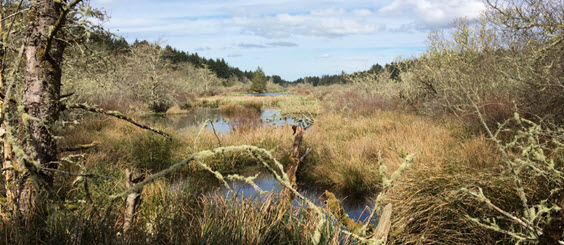
Wetlands overview
We provide resources for regulatory and nonregulatory approaches to protecting wetlands.
Regulations
Wetlands are regulated by agencies at the state, local, and federal level, as well as tribes.
Mitigation
We provide resources to landowners and developers to help with wetland mitigation planning.
Tools & resources
Find wetland tools and resources.
Educational resources
We offer education about wetlands in Washington through guides, videos, webinars, and classes.
Related links
Online tools
- Joint Aquatic Resources Permit Application (JARPA)
- Wetland mapping resources
- Washington Tool for Online Rating (WATOR), to support the Washington Wetland Rating System