Puget Sound photo identifier

Saving Puget Sound

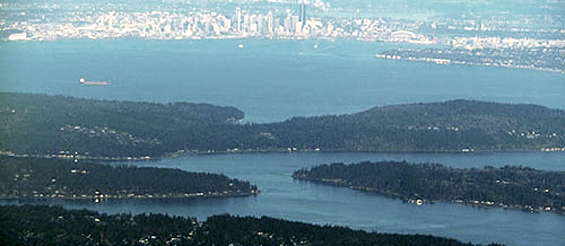
Puget Sound photo banner, photo courtesy of www.flickr/worldofarun

GOOD NEWS FOR PUGET SOUND AND THE PEOPLE WHO DEPEND ON IT

Skagit Valley farm with driftwood in the foreground, source: Washington State Conservation Commission

Many efforts are underway to protect and restore Puget Sound. Here are some examples:

The time to act is now

Puget Sound is in trouble. In many areas, its seemingly clear, pristine waters actually contain a soup of noxious and poisonous chemicals. Every time it rains, thousands of pounds of toxic pollutants flow overland, eventually winding up in the Sound. Hundreds of toxic cleanup sites ring its 2,500 miles of shoreline. Critical habitat has been lost to development. Even in its deepest spots the Department of Ecology finds contaminants, some banned for use 30 years ago, in its underwater sediments.

However, by working together we can help reverse what seems a downward spiral. We all want to leave our children and our grandchildren a Puget Sound that’s clean and safe and alive. Ecology is committed to do all we can to help Puget Sound be a healthy ecosystem by 2020.

What we're doing about it

Ecology is bringing to bear our best science and research resources to understand the challenges facing Puget Sound and help find solutions. We have a duty to restore, protect and preserve the Sound using the regulations, permitting requirements, and mandates set by the Washington Legislature and Governor Chris Gregoire. We have an obligation to help our citizens, our neighbors, our businesses and industries, and our families understand what’s at stake – and what everyone can do to help save this national treasure.

In December 2005, Governor Gregoire and the Legislature launched the Puget Sound Initiative, a comprehensive effort by local, state, federal and tribal governments, business, agriculture and environmental communities, scientists, and the public to restore, protect and preserve Sound by 2020. Ecology is a hard working partner in this effort. Saving Puget Sound and the $20 billion of economic activities the Sound generates is among the Department of Ecology’s five Strategic Priorities.

SAVING THE SOUND

Overview | Threats | 2020 Action Agenda | Delivering Results

SOUND SCIENCE

Studies and Monitoring

Monitoring the Sound | Reports on the Health of the Sound | Puget Sound Models | Economic fact sheet (pdf) | Washington Coastal Atlas | More Sound science...

ACTIONS

Prevention, Recovery Restoration

Puget Sound Initiative (PSI) Cleanup Sites | Water Quality studies | Issue Up Close: Protecting and Restoring a National Treasure | Puget Sound Marine Conservation Fund Projects | 2005-2007 Puget Sound Investment Atlas | Control of Toxic Chemicals in Puget Sound | More actions...

EDUCATION

Washington Waters: Ours to Protect | Puget Sound Starts Here | Padilla Bay National Estuarine Research Reserve | Puget Sound Shorelines | BEACH Program | More education...

WHAT YOU CAN DO

What you can do | Stormwater | Washington Waters - Ours to Protect | Reducing Toxic Threats

Washington Waters - Ours To Protect
Puget Sound Starts Here

Puget Sound photo banner, photo courtesy of www.flickr/worldofarun

PUGET SOUND STARTS HERE

Puget Sound is in trouble. You are the solution.

NEW 1/23/12 STORMING THE SOUND CONFERENCE

Central Sound conference, Friday March 30th

IN THE NEWS

Dec. 09: Washington Shellfish Initiative: clean water, job creation

CONTROLLING TOXIC CHEMICALS IN PUGET SOUND

Assessment of Selected Toxic Chemicals in the Puget Sound Basin: 2007—2011

FEDERAL
PUGET SOUND GRANT PROGRAM

Watershed Protection and Restoration request for proposal (RFP)

RIVER RESTORATION

Elwha Dam removal

GATEWAY PACIFIC TERMINAL

Proposed bulk cargo marine terminal at Cherry Point, Whatcom Co., in SEPA review.

PUGET SOUND CHARACTERIZATION PROJECT

WASHINGTON COASTAL ATLAS

URBAN WATERS INITIATIVE

MONITORING THE SOUND:

PUGET SOUND CLEANUP SITES