

Washington waters — ours to protect
More than 60 percent of water pollution comes from things like cars leaking oil, fertilizers and pesticides from farms and gardens, failing septic tanks, pet waste, and fuel spills from recreational boating. All these small, dispersed sources add up to a big pollution problem. But each of us can make small changes at home, at play, and at work to help keep water clean — and that adds up to a pollution solution.
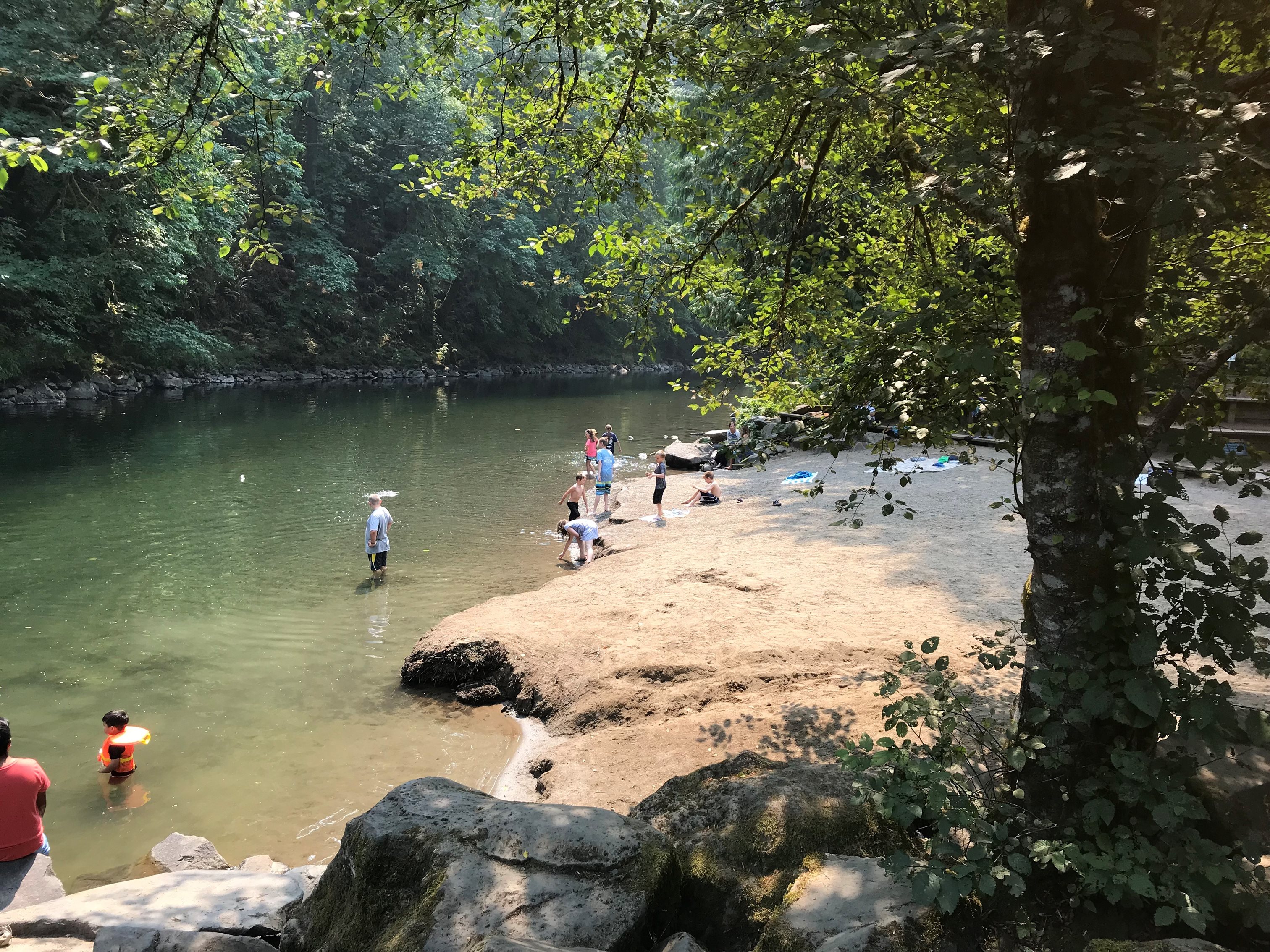
Septic systems need regular maintenance. Without it, they can fail and overflow. Runoff can then carry untreated sewage across your yard to your neighbor’s property or into surface waters — lakes, streams, rivers or even directly into Puget Sound. Public health impacts from failing septic systems can be widespread. Bacteria, viruses, and other pollutants from the sewage can contaminate fish and shellfish and make water unsafe for swimming or drinking.
What you can do to help
-
Get regular inspections and maintenance. Check with your county environmental health office for advice. You may be able to do this yourself. The current Board of Health rule for on-site sewage systems requires a full evaluation every one to three years of systems with a septic tank and gravity drainfield. All other systems must have a yearly evaluation. You may not need to pump every time, but it’s wise to budget as though you will.
-
Choose a date or time of the year for inspection that’s easy to remember. Mark it on the calendar.
-
Learn how to keep your system functioning — what you can and can’t flush or pour down the drain. No pet waste, medications, grease, or toxic chemicals. If you have a garbage disposal, don’t use it or use it sparingly.
-
Keep trees at least 30 feet from the edge of your drainfield to keep their roots from invading. And never drive over the system.
-
Watch for cues that your tank is nearing capacity or your system is failing. Got odors? Get a professtional out to check it right away, and to fix it, if needed.
-
Conserve water. Too much water can cause solids to escape your tank and plug your drainfield.
- Repair or replace your system if it fails or is otherwise inadequate. Find out about low-interest loans for septic repairs or replacement.
Download and share our education posters and fact sheets
-
Eastern Washington: poster, fact sheet
-
Western Washington poster, fact sheet
Washing your car isn't a problem. How and where you do it is what makes a difference. Most soaps contains phosphates and other chemicals that harm fish and water quality.
What you can do to help
-
Use a commercial car wash - either self-serve or machine wash
-
Wash your car on lawns or other surfaces where water can seep into the ground
-
Divert water away from storm drains
Charity car washes
-
Sell commercial car wash coupons instead
-
Borrow a pump kit to send the soapy runoff to a sanitary sewer
-
Locate the car wash to divert wash water into the sewer, not the storm drain
-
Rent a “Bay for a Day” at a self-serve car wash that is hooked up to a sanitary sewer
Download and share our education posters and fact sheets
Many people use fertilizers, weed killers and pesticides to enhance their yards and gardens. But, if you use too much of these products or apply them at the wrong time, they can end up in lakes, streams, Puget Sound, and other marine waters.
What you can do to help
- Read your product labels. Follow the instructions for safe use and disposal.
- Use fertilizer sparingly. Test your soil to find the right dose and type to match the your plants’ needs.
- Don’t treat your lawn or garden before a rainstorm.
- Use slow-release fertilizers and other more environmentally friendly products.
- Try non-chemical alternatives. Use compost. Plant companion plants that deter pests. Pull weeds by hand. Use mulch. Trade your lawn for native groundcover or shrubs.
- Get expert advice about lawn and garden products from Master Gardeners at your county WSU Extension office.
Download and share our education posters and videos
- Eastern Washington poster, fact sheet
- Western Washington poster: English, Español
- Western Washington fact sheet: English, Español
- Watch our video - What are you doing to protect Washington Waters?
Oil and other petroleum products are toxic to people, wildlife, and plants. One pint of oil can make a slick larger than a football field. Oil that leaks from cars onto roads and driveways is washed into storm drains, which usually flow directly to a lake or stream.
What you can do to help
-
Stop drips. Check your vehicle for leaks regularly and fix them promptly.
-
Keep your car tuned up.
-
Use ground cloths or drip pans beneath your vehicle if you have leaks or are doing engine work. Clean up spills immediately. Collect used oil in containers with tight fitting lids. Do not mix different engine fluids.
-
Never dispose of oil or other engine fluids down the storm drain, on the ground, or into a ditch.
-
Recycle used motor oil. Many auto supply stores and gas stations accept used oil.
-
Buy recycled (re-refined) motor oil to use in your car. To find out more about where you can take used oil for recycling, call our 1-800-RECYCLE hotline.
-
More Care Care tips from Puget Sound Starts Here.
Download and share our education posters and videos:
- Our poster and fact sheet
- Don't Drip and Drive - Fix That Leak!
Related links
Contact information
Justine Asohmbom
Shorelines and Stormwater Education Manager
justine.asohmbom@ecy.wa.gov
206-594-0009